DUI & DWI Lawyer South Carolina
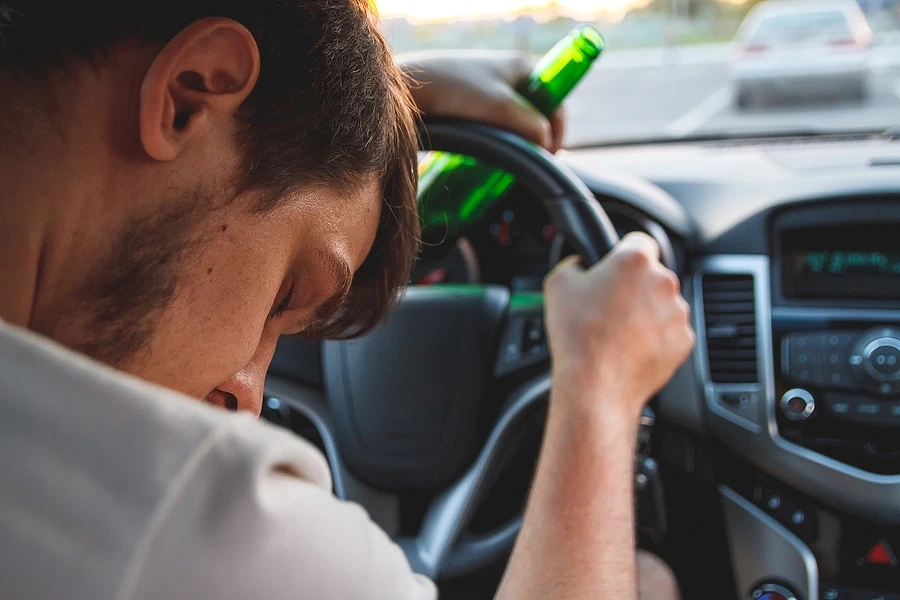
A DUI or DWI charge can have serious consequences, including fines, license suspension, and criminal records. Holloway Law in South Carolina defends individuals accused of impaired driving. Our attorneys thoroughly examine evidence, including breathalyzer results and field sobriety tests, and identify procedural errors that can strengthen your defense. We focus on minimizing penalties and protecting your driving privileges. If you are facing DUI or DWI charges, call 864-405-9899 to schedule a consultation with an experienced DUI & DWI lawyer who will fight to protect your rights and future.
How Field Sobriety Tests Affect DUI Cases
Driving under the influence (DUI) charges can have serious consequences in South Carolina. One of the key tools law enforcement officers use to establish impairment is the field sobriety test. These tests are often administered during traffic stops and can play a significant role in determining whether a driver is charged with a DUI. Understanding how field sobriety tests work, their limitations, and how they affect DUI cases is essential for anyone facing such allegations.
What Are Field Sobriety Tests
Field sobriety tests are standardized physical and cognitive assessments used by law enforcement officers to evaluate whether a driver may be impaired by alcohol or drugs. The most commonly used tests include:
- Horizontal Gaze Nystagmus (HGN): This test observes the involuntary jerking of the eyes as they follow a moving object. Officers look for exaggerated eye movements that may indicate impairment.
- Walk-and-Turn Test: Drivers are asked to walk in a straight line, heel-to-toe, turn, and return to their starting point. Officers evaluate balance, coordination, and the ability to follow instructions.
- One-Leg Stand Test: Drivers are instructed to stand on one leg while counting aloud for a set period. This test measures balance and physical coordination.
These tests are intended to provide officers with observable signs of impairment. However, they are not foolproof and can be influenced by a variety of factors unrelated to intoxication.
Factors That Affect Field Sobriety Test Accuracy
While field sobriety tests are widely used, they are not perfect indicators of impairment. Several factors can affect test performance and accuracy, including:
- Physical conditions: Injuries, disabilities, or medical conditions such as inner ear problems, arthritis, or neurological disorders can impact balance and coordination.
- Age: Older drivers may have reduced balance and slower reaction times, affecting test results.
- Weather and road conditions: Wet, icy, or uneven surfaces can make walking tests more difficult.
- Fatigue or stress: Being tired, anxious, or stressed during a traffic stop can affect performance.
- Improper administration: If officers do not follow standardized procedures exactly, the results may be unreliable.
Because these factors can influence performance, field sobriety test results are not always conclusive evidence of DUI. Courts may consider these limitations when evaluating a case.
The Role of Field Sobriety Tests in DUI Arrests
Field sobriety tests often form part of the probable cause for a DUI arrest. If an officer observes signs of impairment during a traffic stop and the driver performs poorly on these tests, the officer may proceed with a DUI arrest. Poor performance on field sobriety tests can also influence chemical testing decisions, such as requesting a breath, blood, or urine test.
It is important to understand that refusing to perform field sobriety tests may have consequences. In South Carolina, implied consent laws apply to chemical testing, but field sobriety tests are generally voluntary. However, officers may interpret refusal as non-cooperation, which can influence their assessment of probable cause.
Chemical Tests vs. Field Sobriety Tests
While field sobriety tests provide observable evidence of impairment, chemical tests measure blood alcohol concentration (BAC) or the presence of drugs. Chemical tests are often considered more objective and carry more weight in court.
However, field sobriety test results can still impact the case by:
- Providing the initial basis for arrest
- Supporting the officer’s observations of impairment
- Being introduced as evidence to establish probable cause or corroborate chemical test results
Because field sobriety tests are subjective, defense attorneys often scrutinize them to identify weaknesses or inconsistencies in the officer’s assessment.
Challenging Field Sobriety Test Results in Court
A skilled DUI defense attorney may challenge field sobriety test results using several strategies:
- Questioning administration procedures: If the officer failed to follow proper testing protocols, the results may be unreliable.
- Highlighting medical or physical conditions: Conditions affecting balance, mobility, or vision can explain poor performance without indicating impairment.
- Environmental factors: Slippery roads, uneven surfaces, or other external conditions can affect test outcomes.
- Officer bias or observation errors: Inconsistent or subjective observations can be challenged in court.
By carefully examining these factors, a defense attorney can reduce the weight of field sobriety test results in the overall case.
Preparing for a DUI Case Involving Field Sobriety Tests
If you are facing a DUI charge in South Carolina where field sobriety tests played a role, it is critical to seek legal guidance early. A defense attorney can:
- Review the officer’s reports and any video evidence from the traffic stop
- Assess whether the field sobriety tests were administered correctly
- Evaluate medical conditions or other factors that could affect test performance
- Develop a strategy to challenge probable cause or mitigate charges
Early legal intervention can make a significant difference in the outcome of a DUI case, particularly when field sobriety tests are central to the prosecution’s evidence.
Field sobriety tests are a common tool used by law enforcement to assess potential impairment during traffic stops. While they provide observable evidence, these tests are subjective and can be influenced by a wide range of factors unrelated to alcohol or drug use. In South Carolina, field sobriety tests often play a key role in DUI arrests and can affect subsequent chemical testing and legal proceedings.
For anyone facing DUI charges where field sobriety tests were involved, understanding their limitations and seeking experienced legal guidance is essential. A skilled DUI defense attorney can evaluate test administration, identify mitigating factors, and build a defense strategy tailored to your circumstances. Proper legal representation ensures your rights are protected and can help achieve the most favorable outcome possible under the law.
Defend Yourself With a DUI & DWI Attorney in South Carolina
DUI and DWI charges can have significant consequences, including fines, license suspension, and criminal records. Holloway Law in South Carolina provides experienced representation for individuals facing impaired driving allegations. Our attorneys review evidence, investigate testing procedures, and develop defense strategies designed to protect your rights and driving privileges. We guide clients through the legal process with clear communication and aggressive advocacy. Call 864-405-9899 to schedule a consultation with a skilled DUI & DWI attorney who will fight to defend your freedom and future.
